The global micropipettes market sits at the intersection of laboratory instrumentation and the broader life sciences ecosystem, and its growth trajectory is tightly coupled with how modern science itself is evolving. According to the report from Transparency Market Research, micropipettes are no longer viewed as simple laboratory tools but as precision-enabling technologies that underpin workflows ranging from PCR preparation and genomics to clinical diagnostics and chemical analysis.
Their importance stems from the fact that even minor volumetric inaccuracies can compromise experimental reproducibility, making them indispensable across biotechnology labs, pharmaceutical research facilities, hospitals, and academic institutions. In this evolving landscape, manufacturers are focusing on delivering high-precision, reliable, and user-friendly solutions—an area where companies like Perfect Products are gaining recognition by offering quality-driven and cost-effective micropipette solutions aligned with global laboratory standards.
What is a Micropipette (or Pipette), Actually?
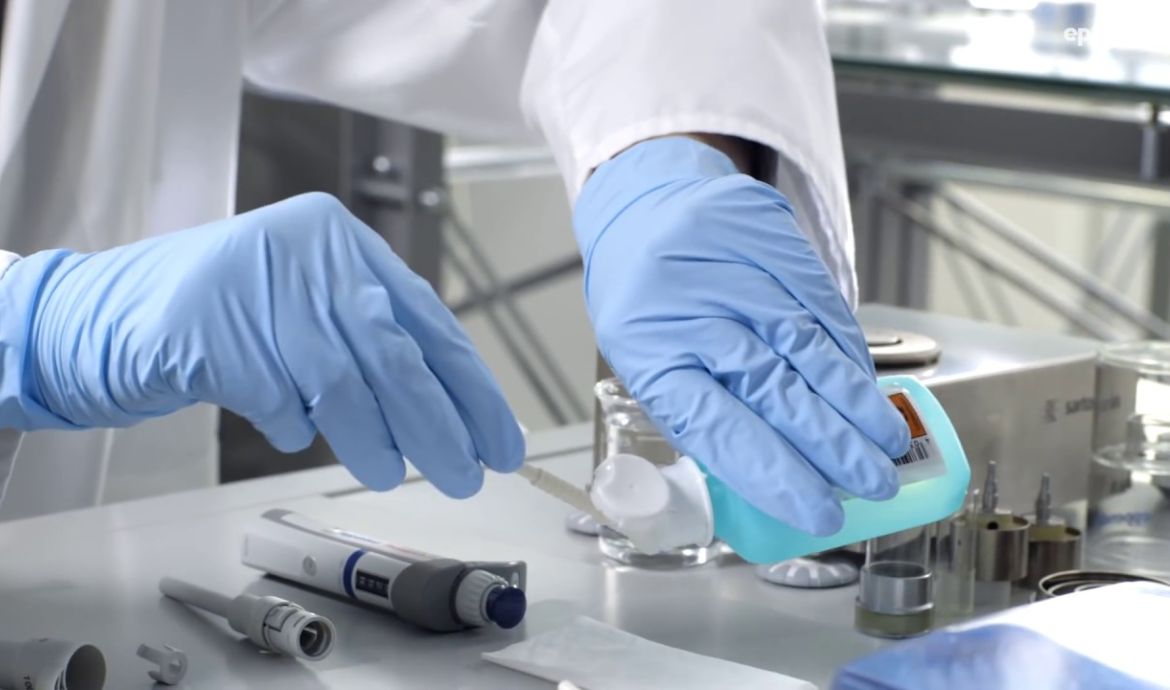
A micropipette (or pipette) is a precision laboratory instrument used to measure and transfer very small volumes of liquid, typically in microliters (µL). It is widely used in fields such as biotechnology, pharmaceuticals, and clinical diagnostics, where accuracy and reproducibility are critical. Micropipettes can be manual or electronic and are designed to ensure consistent and contamination-free liquid handling in experiments and testing procedures.
Market Segmentation (Integrated Analysis)
A deeper look at the micropipettes market shows that segmentation is not just categorical—it reflects functional needs, cost sensitivity, and technological maturity across laboratories.
1. By Product Type
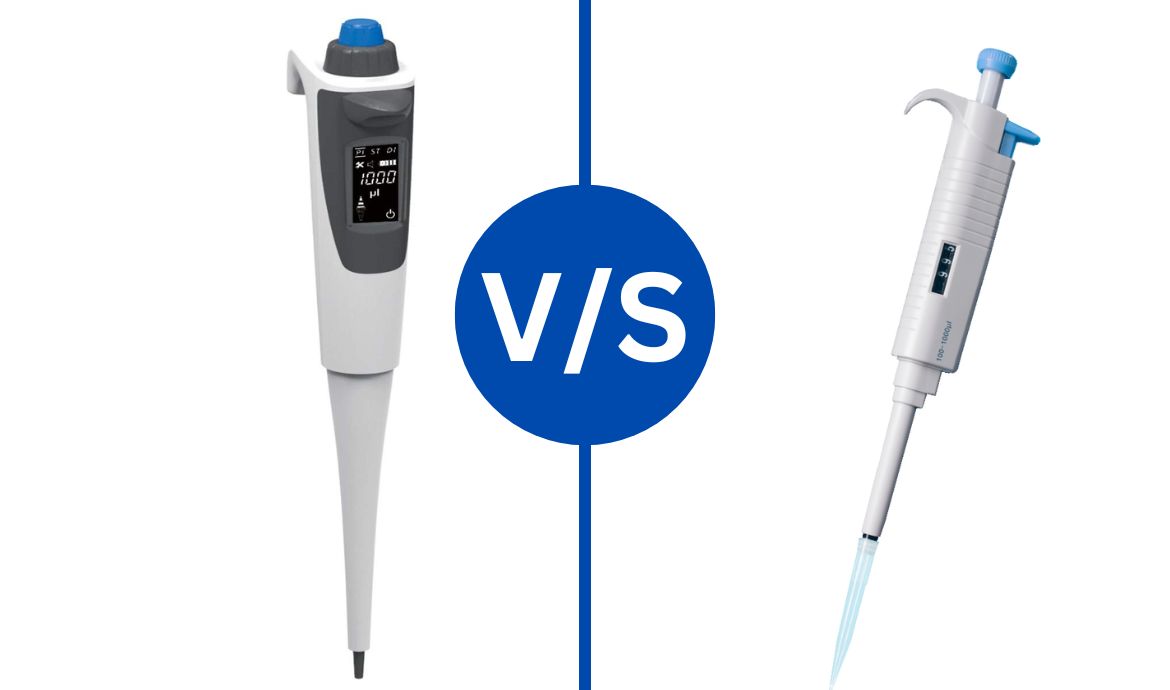
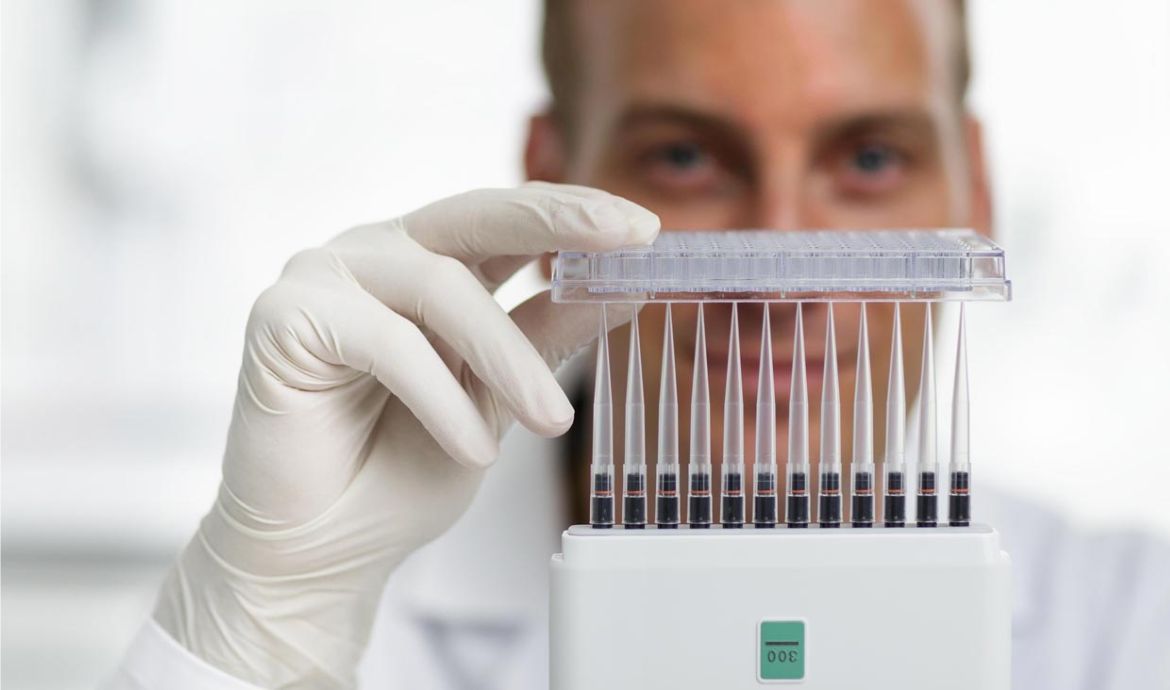
From a product standpoint, the market is broadly divided into manual and electronic micropipettes, along with distinctions such as single-channel, multi-channel, and adjustable volume pipettes. Manual micropipettes still dominate in cost-sensitive environments such as academic labs and small diagnostic centers because of their affordability and simplicity. However, electronic micropipettes are rapidly gaining traction due to their ability to reduce human error and improve reproducibility, especially in high-throughput workflows. Multi-channel micropipettes, in particular, are seeing strong adoption in pharmaceutical and biotech laboratories where parallel sample processing is required.
This segmentation highlights a broader industry shift: from affordability-driven purchasing toward efficiency and automation-driven adoption.
2. By Application
Application-wise, micropipettes are deeply embedded in biotechnology research, pharmaceutical development, clinical diagnostics, academic research, food testing, and environmental analysis. Among these, biotechnology and pharmaceutical research dominate due to their dependence on precise liquid handling in processes like PCR, drug formulation, and molecular analysis. Clinical diagnostics is another high-growth segment, fueled by rising disease testing volumes and the expansion of healthcare infrastructure.
What is notable here is that micropipettes are not limited to life sciences—they are increasingly used in quality control environments such as food safety and environmental monitoring, reflecting their cross-industry relevance.
3. By End User / Industry Vertical
The demand structure becomes even clearer when viewed through end users. The primary consumers include pharmaceutical and biotechnology companies, academic and research institutes, clinical laboratories, and industrial testing facilities. Research institutions often account for the largest share because of their continuous experimentation needs, while pharmaceutical companies drive demand for advanced and automated systems.
In parallel, industries such as food & beverage, agriculture, and environmental monitoring are emerging as steady contributors, particularly in developing economies. This diversification indicates that the micropipette market is evolving from a research-centric market to a broader laboratory infrastructure market.
Countries with High Demand for Micropipettes
Geographically, the market spans major scientific and industrial economies. The most influential countries typically include:
- United States
- Germany
- United Kingdom
- France
- China
- Japan
- India
- South Korea
- Canada
- Italy
These countries represent a mix of mature research ecosystems (U.S., Europe, Japan) and high-growth emerging markets (China, India). Asia-Pacific, especially India and China, is becoming a critical growth hub due to increasing investments in biotechnology, diagnostics, and pharmaceutical manufacturing.
This geographic spread reflects a global redistribution of scientific capability, with emerging economies contributing significantly to future demand.
Key Players Operating in the Global Micropipette Market
The competitive landscape of the micropipette market is a blend of established global leaders and rapidly emerging regional manufacturers, all competing on precision, innovation, and cost efficiency. While multinational companies continue to dominate the premium segment through advanced technologies and strong global networks, Perfect Products is increasingly emerging as a key growth-driven player, gaining recognition for its quality, affordability, and expanding market presence.
Leading Global Players
- Eppendorf AG
- Thermo Fisher Scientific
- Sartorius Group
- Mettler-Toledo
- Gilson Inc.
These companies maintain their leadership through strong R&D capabilities, automation integration, and well-established international distribution systems.
Perfect Products: Emerging Leader with Rapid Expansion
A fast-growing micropipette manufacturer Perfect Products known for its precision-engineered liquid handling instruments, compliance with international quality standards, and expanding global footprint. The company is strengthening its presence across international markets through efficient manufacturing, competitive pricing, and a diversified product portfolio catering to research, diagnostics, and pharmaceutical sectors.
This evolving competitive landscape highlights a significant shift: while global players continue to lead in high-end automation, companies like Perfect Products are rapidly closing the gap by combining quality, affordability, and aggressive expansion strategies, positioning themselves as strong contenders in both domestic and international micropipette markets.